A Note on What We Publish
We don’t publish to fill categories.We publish what feels worth keeping. KanikaChic is an independent editorial platform exploring architecture, design, craft, interiors, objects, and the

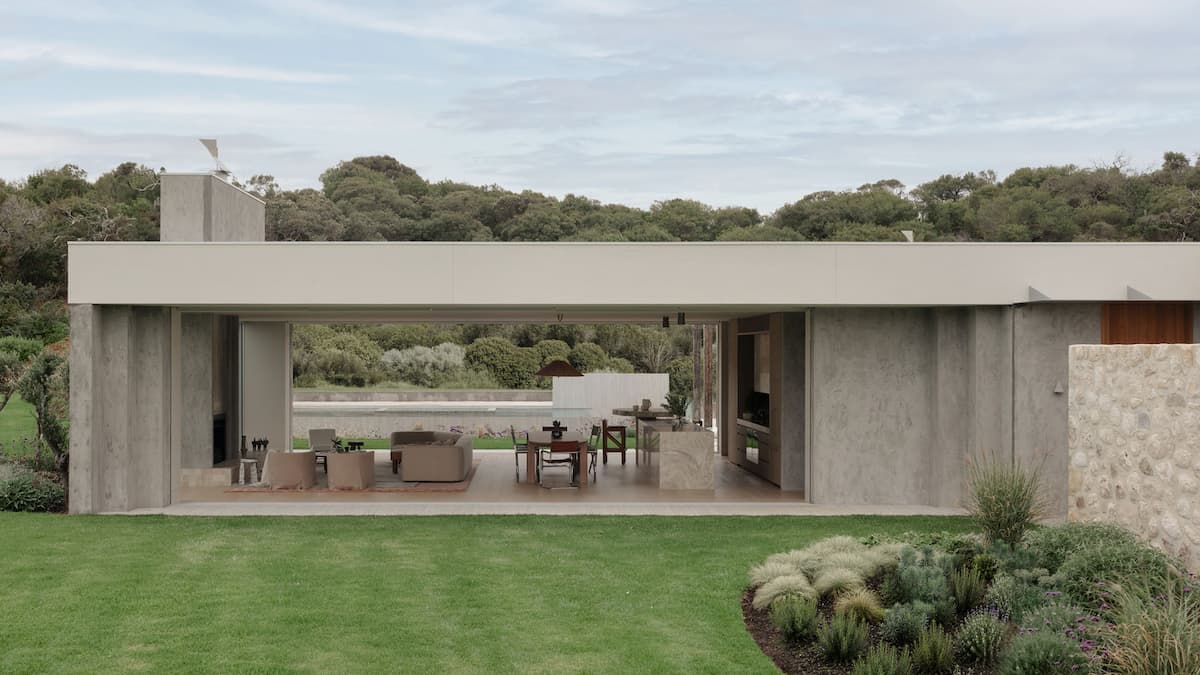
由客家聚落與礦業遺產形塑的場域,遊客中心成為觀看風景與閱讀地方文化的媒介。 此項目以融合自然環境與文化地景為核心,將苗栗在地的客家聚落記憶與礦業遺產視為共同生成的背景。客家文學園遊客中心不被設定為單一目的地,而是一種觀看與參與的媒介,透過建築引導視線、動線與停留,讓訪客得以融入日常活動與地方節奏。建築在此不主導敘事,而是成為連結風景、歷史與當代使用者之間的過渡層,讓地方文化以開放而持續的方式被感知。 遊客中心位於苗栗縣公館鎮客家文學園內,場地由當地聚落生活與礦業遺產共同塑造,形成一種獨特的 文化地景。建築坐落於後壟溪谷,視野延伸至群山與歷史礦坑之間,試圖在自然環境與地方記憶之間建立溫和的連結。 建築盡量減少空間體量,強調週邊環境,使其成為觀景的媒介,並將遊客融入當地活動。設計摒棄了對客家文化的傳統解讀,而是從更廣闊的尺度分析場地,並以兩條主軸線為主導,分別面向景觀和文化肌理。一條軸線與山巒和山谷平行,延伸至福德村,為遊客提供開闊的視野,同時巧妙地將他們引向聚落。另一條軸線沿著夏至的太陽路徑,連接歷史礦區與西北方向的未來文學博物館,成為地面層的主要交通流線。 建築由一座大屋頂與數個幾何量體組成,透過軸向配置引導視線與動線,同時回應場地尺度。其形態不追求象徵,而是順應地形與歷史脈絡,展現一種 在地回應式建築 的姿態,讓結構方向性成為觀看苗栗自然風景的媒介。 建築軸線透過景觀步道、連接室內空間的半室外走廊以及延伸回室外的過渡通道連接起來,使空氣、光線、風和現有生態環境自由流通。建築中心的屋頂下方是一個大跨距的半室外廣場,為公共活動和自發性活動創造了一個開放的聚集空間。橫跨廣場的三角桁架系統不僅體現了軸線的幾何關係,也克服了大跨距帶來的結構挑戰。

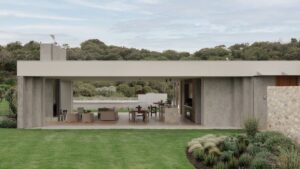
Wrapped in marble and oriented toward a sweeping golf course, this residence balances sculptural enclosure with panoramic openness. Located in Nordelta’s El Golf district,

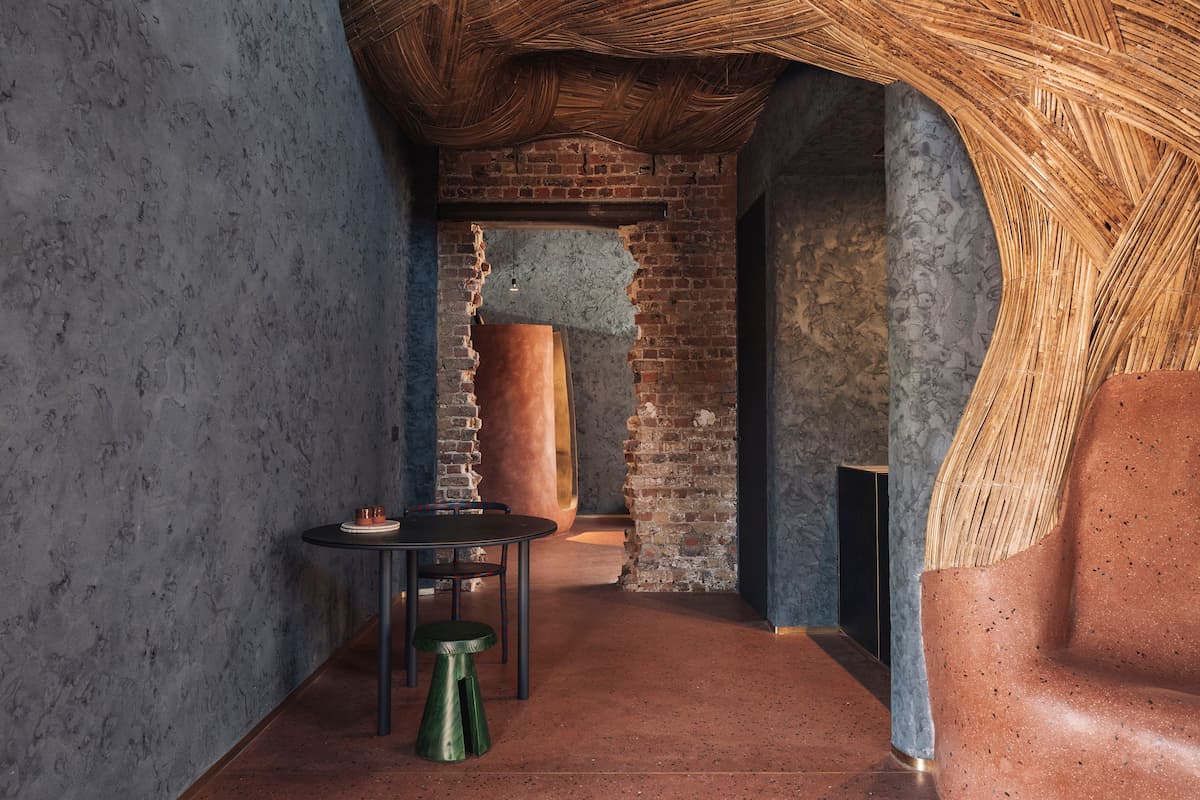
In Hanoi’s dense urban fabric, this organic café transforms bamboo into a spatial canopy that reshapes how public life unfolds beneath it. Vietnam-war organic

Located at the edge of fields and forests, Zilvar House reveals how timber construction and passive design quietly support both energy efficiency and family life.

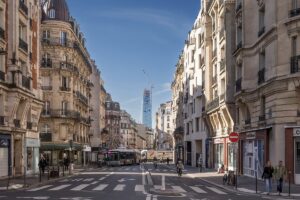
Positioned beside Saint Nicholas’ Church, this intervention negotiates historic density, civic memory and contemporary architectural form within a tightly layered urban context. The insertion
KanikaChic is an independent editorial platform covering architecture, design, craft and objects. We publish stories about spaces, materials and ideas that shape contemporary culture.
We don’t publish to fill categories.We publish what feels worth keeping. KanikaChic is an independent editorial platform exploring architecture, design,

由客家聚落與礦業遺產形塑的場域,遊客中心成為觀看風景與閱讀地方文化的媒介。 此項目以融合自然環境與文化地景為核心,將苗栗在地的客家聚落記憶與礦業遺產視為共同生成的背景。客家文學園遊客中心不被設定為單一目的地,而是一種觀看與參與的媒介,透過建築引導視線、動線與停留,讓訪客得以融入日常活動與地方節奏。建築在此不主導敘事,而是成為連結風景、歷史與當代使用者之間的過渡層,讓地方文化以開放而持續的方式被感知。 遊客中心位於苗栗縣公館鎮客家文學園內,場地由當地聚落生活與礦業遺產共同塑造,形成一種獨特的 文化地景。建築坐落於後壟溪谷,視野延伸至群山與歷史礦坑之間,試圖在自然環境與地方記憶之間建立溫和的連結。 建築盡量減少空間體量,強調週邊環境,使其成為觀景的媒介,並將遊客融入當地活動。設計摒棄了對客家文化的傳統解讀,而是從更廣闊的尺度分析場地,並以兩條主軸線為主導,分別面向景觀和文化肌理。一條軸線與山巒和山谷平行,延伸至福德村,為遊客提供開闊的視野,同時巧妙地將他們引向聚落。另一條軸線沿著夏至的太陽路徑,連接歷史礦區與西北方向的未來文學博物館,成為地面層的主要交通流線。 建築由一座大屋頂與數個幾何量體組成,透過軸向配置引導視線與動線,同時回應場地尺度。其形態不追求象徵,而是順應地形與歷史脈絡,展現一種 在地回應式建築 的姿態,讓結構方向性成為觀看苗栗自然風景的媒介。

Wrapped in marble and oriented toward a sweeping golf course, this residence balances sculptural enclosure with panoramic openness. Located

In Hanoi’s dense urban fabric, this organic café transforms bamboo into a spatial canopy that reshapes how public life unfolds

Located at the edge of fields and forests, Zilvar House reveals how timber construction and passive design quietly support both

Positioned beside Saint Nicholas’ Church, this intervention negotiates historic density, civic memory and contemporary architectural form within a tightly layered